

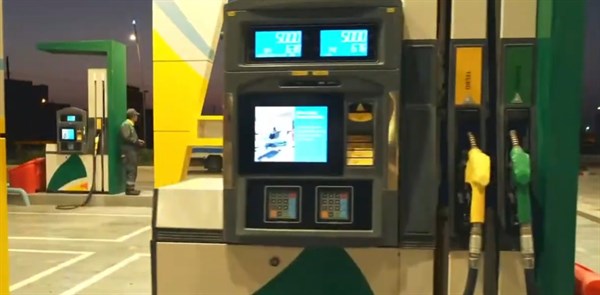
The road transport sector is currently experiencing a period of significant turbulence, directly impacted by global geopolitical instability. Persistent tensions in the Strait of Hormuz have sent shockwaves through oil markets, leading to a sharp rise in pump prices in France. For haulers, diesel fuel is not a mere logistical detail; it represents their second largest expense after payroll. This extreme volatility jeopardizes companies' cash flow, often caught between immediate purchase costs and customer payment terms that struggle to adapt to market realities.
To address this economic emergency, an exceptional measure has just been implemented at the initiative of the Ministry of Transport. Following consultations with professional federations, the National Road Committee (CNR) is temporarily modifying its dissemination method. From now on, diesel fuel indices will no longer be published monthly, but twice a month. This increased frequency aims to provide a more accurate and responsive snapshot of inflation, allowing companies to justify more regular price adjustments to their clients. The initial data from March already confirm a marked upward trend, making this statistical transparency essential for the sector's survival.
In practical terms, this new structure divides the month into two distinct periods. The CNR has already released the figures for the first half of March, calculated using the same rigorous methodology as for traditional indices. At the end of the month, stakeholders will have access to the data for the second period, as well as a comprehensive monthly summary. While these bi-monthly publications provide a valuable crisis management tool for more agile billing, the monthly index retains its status as the legal and contractual benchmark for the majority of long-term agreements.
It is now up to business leaders to seize these new tools to protect their margins. Responsiveness is key: using these indicators allows them to move beyond reactive management and adopt a strategy of dynamically passing on energy costs. To support professionals in this technical transition, educational resources remain available online, explaining in particular how to accurately integrate these variations into the calculation of invoices. In a context where every cent counts, mastering these indicators becomes a major lever of resilience for the entire French supply chain.