

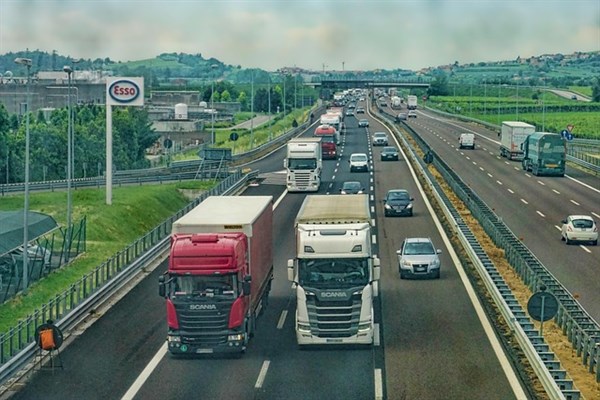
The road network in the Grand Est region is about to undergo a major shift in transport taxation. Starting in spring 2027, specifically in April, a kilometer-based tax will be introduced on the A31 motorway, a structurally congested route that crosses Lorraine. This system will target all freight vehicles with a maximum authorized weight exceeding 3.5 metric tons. To ensure the effectiveness of this measure without paralyzing traffic, the authorities plan to deploy a fully automated and electronic control system capable of identifying trucks in circulation without requiring drivers to stop.
This initiative is directly inspired by environmental pricing models already proven in neighboring European countries, such as the LKW-Maut in Germany and the heavy goods vehicle charge in Switzerland. The Region's main objective is to regulate the constant flow of foreign trucks that use this route free of charge to cross Europe from North to South, thereby shifting some of the infrastructure maintenance costs onto international operators. However, companies in the logistics sector are already concerned about distortions of competition, as national and local carriers, who use this route daily for cabotage and regional deliveries, will be subject to the same financial requirements.
The introduction of this levy risks triggering a domino effect on the local and national economy. Faced with this new operating burden, road transport professionals warn that they will have no choice but to adjust their rates. This increase in delivery costs will inevitably be passed on to shippers, then to distributors, and ultimately impact the wallets of end consumers through the price of everyday goods. Intense debates are therefore expected between policymakers, who defend the polluter-pays principle to finance the ecological transition, and economic stakeholders, who fear a loss of competitiveness.