

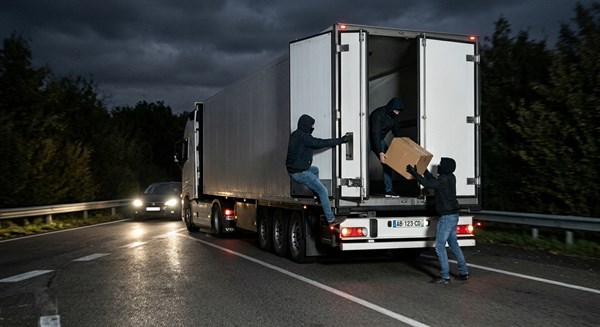
European supply chains face a growing threat: the massive looting of truck cargo. This phenomenon generates more than ten billion euros in losses annually across the continent, further weakening logistics companies already struggling with energy costs and driver shortages.
Far from being opportunistic theft, these attacks are the work of a structured organized crime group with clandestine resale networks. From cutting tarpaulins in rest areas to identity fraud on booking platforms, the gangs primarily target strategic routes, particularly the Iberian Peninsula, a major freight hub. Their preferred targets remain electronics, fashion, pharmaceuticals, tobacco, and alcohol.
For carriers, often SMEs with slim margins, the financial impact is devastating, from insurance deductibles to lost contracts. To counter this, companies are investing heavily in security—Geolocation, electronic locks, and cameras—at the expense of fleet renewal.
Faced with criminal networks that exploit borders, current police resources and the lack of a centralized database limit the effectiveness of investigations. Ensuring the safety of road traffic now requires a comprehensive European response, combining secure parking facilities and enhanced police cooperation.